The best discounts this week
Every week you can find the best discounts here.

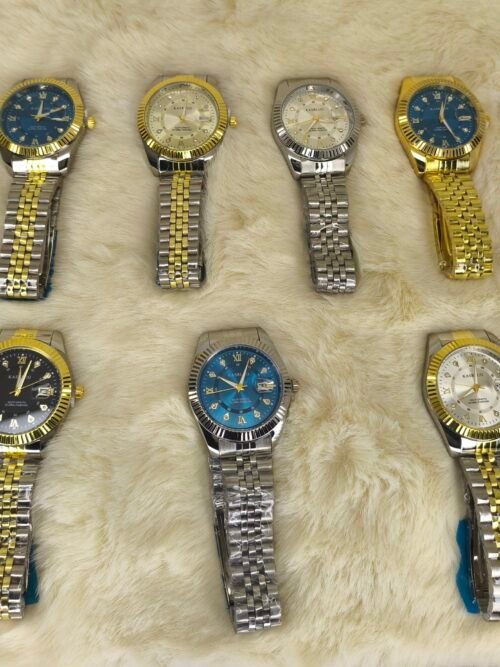
Diamond Cut Bezel Gold Ladies Fashion Watch

DEBLVE Men’s Solid Band DC Watch

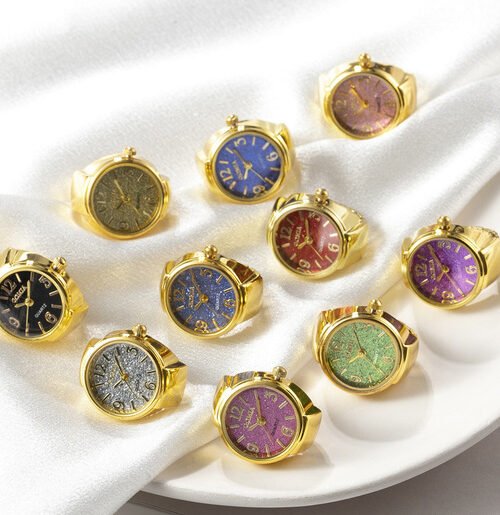
Trendy Glitter Ring Watch
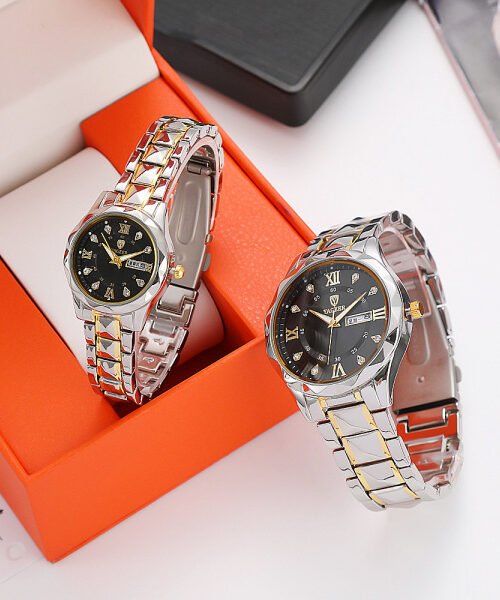
Elegant Couple Watch with Double Date Display
What Sets Korean Aesthetic Clinics Apart From Standard Medi-Spas
The Premier Korean Aesthetic Clinic for Advanced Skin and Beauty Treatments
Struggling to navigate the overwhelming world of injectables and skin treatments can feel risky, which is why Korean aesthetic clinic provides a curated, medically-supervised pathway to natural-looking results. Operating as a streamlined medical hub, it combines advanced dermatological diagnostics with personalized procedure plans, ensuring every session targets your unique skin concerns. The clinic’s core benefit lies in its holistic, one-stop approach—from initial skin analysis to post-treatment care—delivering measurable improvements in tone, texture, and volume with minimal downtime. Simply book a consultation, undergo a digital skin assessment, and receive a tailored treatment roadmap that prioritizes safety and precision.
What Sets Korean Aesthetic Clinics Apart From Standard Medi-Spas
What sets a Korean aesthetic clinic apart from a standard medi-spa is its hospital-grade, procedure-first culture. Instead of relying on generic facials or laser packages, these clinics prioritize rapid, multi-step treatment protocols—often combining injectables, energy-based devices, and skin boosters into a single session for immediate, visible results. The clinical environment is doctor-led, with physicians performing most procedures, which means every needle or laser setting is adjusted to your real-time skin response, not a predetermined spa menu. Moreover, the aftercare is prescriptive: you leave with a day-by-day recovery and product regimen, not just a moisturizer sample.
Standard medi-spas sell relaxation; Korean clinics sell medical-grade correction—expect to be treated like a patient, not a guest.
The difference is visible in the intensity of the protocol and the expectation of tangible change within days, not weeks.
Signature Techniques You’ll Only Find in Korean Beauty Medicine
Korean beauty medicine hinges on **fusion protocols that stack technologies** rather than single-device treatments. You’ll find *tide-pattern acupuncture* paired with microcurrent to re-train facial muscles, not just relax them. Another signature is *laser-assisted rehydration*, where ablative fractional beams create micro-channels, then hyaluronic acid is pressured in—not merely smeared on top. Clinics also deploy *thread-lift facelifts with absorbable PDO barbs* angled along lymphatic drainage lines, dissolving overtime while spurring collagen. Unlike standard medi-spas, these techniques integrate Eastern pulse diagnosis into device settings, customizing intensity by your energy flow—producing immediate lifting plus prolonged structural change you won’t replicate elsewhere. Multi-layered regenerative layering defines every session, from serum-injected mesotherapy to galvanic iontophoresis, ensuring depth-specific repair.
How Their Approach to Skin Layering Differs From Western Treatments
Korean aesthetic clinics treat skin layering as a sequential reconstruction of the stratum corneum, epidermis, and dermis, whereas Western medi-spas often stack multiple active ingredients in a single session. In Korea, each layer is addressed with a distinct modality—hydrating sonophoresis for the surface, mesotherapy for the mid-dermis, and radiofrequency or laser for deep collagen—performed in separate steps over weeks. This method prioritizes barrier integrity before penetration, so occlusive agents are never applied over exfoliated skin without a recovery interval. Western protocols frequently combine aggressive resurfacing with moisturizers in one visit, risking inflammation that cancels out regenerative benefits. The Korean sequence lets each product’s molecular weight match its target depth, which is why results appear gradual yet durable.
Q: How does Korean skin layering differ from Western treatments in practical application?
A: Western clinics often use a “cocktail” approach—mixing acids, antioxidants, and peptides simultaneously—while Korean clinics perform layer-by-layer penetration using time-separated injections, ultrasound, and low-intensity lasers, ensuring each stratum receives only the compatible ingredient without cross-interference.
Core Treatments You Can Expect at a Top-Rated Korean Skin Clinic
At a top-rated Korean aesthetic clinic, you can expect core treatments built around advanced skin-whitening lasers like the PicoSure, which tackle pigmentation and texture in just a few quick sessions. Another staple is hydrating injectables—think mesotherapy or skin boosters—that flood your face with hyaluronic acid for that famous glass-skin glow. Clinics also offer medical-grade peels (like the classic VITALION or TCA) tailored to your exact acne or dullness level, often paired with LED therapy for calming redness. *What really sets them apart is how they layer these procedures into a customized weekly plan, not just a one-off fix.* You’ll also routinely get gentle RF or ultrasound tightening to firm jawlines, plus spot treatments for pores, all done in under an hour with minimal downtime—perfect for a quick lunch-break refresh.
Which Injectable Cocktails Target Glow, Tightening, or Volume Loss
At a top-rated Korean skin clinic, injectable cocktails are precisely tailored to your dominant concern. For an instant, luminous complexion, clinics blend glutathione, vitamin C, and hyaluronic acid to suppress melanin and flood the skin with hydration, creating a glass-skin glow. To counteract sagging, a cocktail of polynucleotides (PDRN) and amino acids is injected to stimulate fibroblast activity, promoting collagen and elastin for a visible tightening effect. For facial volume loss, a dense cocktail of hyaluronic acid fillers, often combined with calcium hydroxyapatite, restores structural support in the midface and temples. *The exact formulation is always adjusted based on your skin’s thickness and laxity, which a specialist assesses via ultrasound or skin analysis.* Targeted injectable cocktail selection is the secret to achieving natural, multi-dimensional rejuvenation, not a one-size-fits-all approach.
Q: How long do results from these injectable cocktails take to appear? A: Glow-boosting cocktails show effects within days, while tightening and volume restoration develop progressively over 2–4 weeks as collagen remodeling peaks, with results lasting 6–12 months depending on your metabolic rate.
Laser and Light Therapies That Address Pigmentation and Texture Fast
At a top-rated Korean aesthetic clinic, laser and light therapies target pigmentation and texture fast by combining wavelength-specific devices with aggressive treatment protocols. Intense pulsed light (IPL) breaks up superficial melasma and sunspots in a single sitting, while Q-switched lasers fragment deeper dermal pigment for rapid clearance. Fractional resurfacing lasers, such as ablative CO2 or non-ablative erbium, simultaneously smooth rough skin texture by stimulating collagen renewal within days. Most clinics layer these modalities—for example, using a toning laser followed by a photobiomodulation session—to reduce downtime and accelerate visible results. A typical fast-recovery plan involves three to five sessions spaced two weeks apart, with immediate brightening after the first pass.

How to Choose the Right Specialist for Your Skin Type and Goals

Choosing the right specialist in a Korean aesthetic clinic starts with mapping your skin type—oily, dehydrated, sensitive, or pigmented—to a doctor’s documented subspecialty, not just the clinic’s brand. Your goal dictates the specialist tier: for anti-aging or lifting, seek a dermatologist focused on collagen remodeling and ultrasound technologies; for acne scarring or texture, prioritize one whose portfolio shows extensive fractional laser and microneedling outcomes. Before booking, request a consultation that includes a skin analysis device reading, then ask the specialist to explain *why* a particular protocol suits your skin barrier, not just what they recommend. If your concern is rosacea or melasma, insist on a doctor who avoids aggressive resurfacing for your type.
A true match is less about popularity and more about whether the specialist’s proposed tools, depths, and downtime align with your skin’s reactivity and your lifestyle.
Finally, review before-and-after photos of patients with your exact Fitzpatrick type, not just similar age—this confirms real-world compatibility.
Questions to Ask During Your Consultation to Avoid Generic Plans
During your consultation at a Korean aesthetic clinic, ask the doctor to specify *which* layers of skin your proposed plan targets, and why those layers matter for your unique concerns. Probe for contingency steps: “What happens if I don’t respond to this treatment?” This exposes whether they’re adapting the protocol to you or pushing a pre-set menu. Request before-and-after photos of patients with your exact skin type, not just their best results. Most critically, ask how the plan changes if your skin barrier is inflamed on the day of treatment—a generic plan ignores this variable, while a customized one has a backup. These questions force the specialist to justify every step.
Ask about target skin layers, failure contingencies, patient matches, Sofwave in seoul and barrier-sensitive adjustments to ensure your plan is personalized, not formulaic.
Red Flags That Signal a Clinic Prioritizes Sales Over Results
Walking into a Korean aesthetic clinic, you can spot sales-over-results red flags before you even sit down. First, if the consultant immediately pushes a package deal—like “buy 10 LaseMD sessions now”—without asking about your skin concerns, that’s a loud alarm. Second, they might rush your skin analysis, skipping a detailed diagnosis in favor of upsells. Third, watch for vague answers when you ask about downtime or realistic outcomes; they’ll pivot to “promo prices” instead. Also, if they discourage a second opinion or pressure you to decide “today only,” they’re chasing commission, not your glow. Overpromising instant results is another tell—real specialists set expectations. Trust clinics that slow down, explain risks, and let you breathe.
What a First Visit Actually Looks Like From Skin Analysis to Procedure
Your first visit to a Korean aesthetic clinic kicks off with a deep skin analysis using a magnifying scanner, not just a quick chat. A consultant maps your pores, pigmentation, and dehydration levels, then a doctor reviews the images to pick your protocol. Unlike Western spas, the procedure often starts the same day—after a gentle cleansing and a numbing cream, you’ll get something like a LDM or hydrafacial, with targeted serums chosen from your scan. The whole thing feels rushed but efficient, and most clinics bundle a quick LED mask or a cooling pack before you pay. Expect a follow-up text with your next appointment, not a long consultation—Korean clinics prioritize action over talk. You walk out with a glow, but also a strict home-care sheet.
How AI Skin Diagnostics Shape Your Custom Treatment Timeline
AI skin diagnostics at a Korean aesthetic clinic compress what once took multiple consultations into a single, data-driven snapshot. This imaging immediately maps pore depth, pigmentation density, and dehydration zones, letting your provider slot procedures—like laser genesis or peptide mesotherapy—into a precise treatment timeline based on your skin’s actual recovery speed. The sequence typically unfolds as:
- AI baseline scan flags priority issues and predicts inflammation peaks.
- Clinic schedules your first aggressive session early, banking on AI-measured resilience.
- Follow-up scans at each visit recalibrate intervals, shortening downtime or delaying exfoliation if barrier repair lags.
Instead of a generic four-week plan, your timeline shifts session-by-session, ensuring every peel, laser, or booster hits at the exact moment your skin can absorb it—maximizing results without wasted visits.
What to Expect for Pain, Downtime, and Immediate After-Effects

Most procedures at a Korean aesthetic clinic involve minimal pain—think a quick pinch or a warm sensation—thanks to topical numbing and in-clinic cooling systems. Immediately afterward, you may see redness or mild swelling, typically fading within hours to a day. Downtime after Korean aesthetic clinic treatments is often zero-to-minimal, letting you return to sightseeing or work right away, though laser or deeper resurfacing may cause slight flaking for two to three days. Post-care packs with soothing masks and sunscreen are standard. Injectable after-effects like tiny bruises usually resolve within 48 hours. Expect a follow-up message checking your progress, not prolonged recovery.
Q: Will I feel pain right after numbing wears off?
A: No—most patients report only tightness or mild tenderness, manageable with the provided cold compress, and it fades within a few hours.
Pricing, Packages, and Hidden Costs You Should Budget For
At a Korean aesthetic clinic, **pricing structures** often appear transparent but require careful scrutiny of package fine print. Base procedure fees may look competitive, yet you must budget for mandatory consultation charges, anesthesia costs, and post-treatment compression garments or skincare kits, which frequently arrive as separate line items. Many clinics bundle popular treatments like laser resurfacing or injectables into attractive packages, but these typically specify a limited number of sessions—and if your skin requires more, you’ll pay full single-session rates. Also, anticipate hidden costs such as follow-up video consultations for international patients, translation services, or aftercare medications not listed in the initial quote. Before committing, request a written itemized breakdown that explicitly states whether touch-ups, numbing cream, and aftercare products are included. A reputable Korean aesthetic clinic will confirm your final out-of-pocket maximum upfront, so you can confidently plan your total investment without surprises.
How to Compare Per-Session Rates Versus Long-Term Care Programs
To compare per-session rates against long-term care programs at a Korean aesthetic clinic, first calculate the effective cost per treatment by dividing package fees by the total number of sessions, then verify that the protocol frequency matches your skin’s actual needs—not just the clinic’s upsell cycle. Per-session pricing suits one-off concerns like filler touch-ups, but long-term programs often bundle adjunctive procedures (e.g., laser plus injection) at a discount, so map the timeline: if a six-session plan spans four months, the cost per month must be weighed against the opportunity cost of pausing treatments mid-way. Factor in expiry clauses for unused sessions and whether follow-up consultations are included, as these hidden fees can erase the per-session savings. Always request a breakdown of per-step costs and compare the per-session equivalent of both options under identical conditions—same doctor, same device, same product batch—before committing.
To compare per-session versus long-term programs, calculate effective per-treatment cost, verify session frequency matches your needs, include expiry and consultation fees, and benchmark both options under identical treatment conditions.

Ways to Maximize Value Without Sacrificing Treatment Quality
To get the most from your budget, focus on **treatment packages that bundle sister procedures** rather than booking sessions à la carte, since clinics often discount these combos without cutting corners on product quality. Ask about loyalty perks for returning customers—many Korean aesthetic clinics throw in free follow-up consultations or skin-boosting touch-ups that protect your results. Instead of chasing the cheapest option, request a transparent quote breakdown and compare whether higher-priced plans include more premium filler brands or advanced laser settings. You can also maximize value by scheduling during off-peak hours; some clinics offer quieter-time discounts while still assigning their most experienced doctors, ensuring you never compromise safety or outcomes.
Post-Treatment Care That Determines Your Final Results
In a Korean aesthetic clinic, your final results are forged in the 48 hours after you leave the treatment room. Post-treatment care dictates whether your skin heals luminous or inflamed, so follow the clinic’s exact protocol: apply the prescribed soothing balm before your barrier fully dries, skip actives for three days, and sleep on a fresh pillowcase to prevent bacterial seeding. Laser or microneedling results hinge on strict sun avoidance—even indoor light through a window can trigger hyperpigmentation, so reapply mineral SPF every two hours.
The secret isn’t the procedure itself, but the relentless, boring consistency of your aftercare routine.
Korean clinics often provide a “recovery kit” with cooling masks and growth factor ampoules—use every drop as scheduled, because skipping a single step can delay collagen remodeling and dull your outcome.
Essential Skincare Rules to Follow for the First 48 Hours
The first 48 hours after a procedure at a Korean aesthetic clinic form a narrow window where cellular repair is most vulnerable. Immediately, avoid any active ingredients like retinol, acids, or vitamin C, since they can trigger inflammation. Instead, use only a gentle, fragrance-free cleanser and a barrier-repair moisturizer containing ceramides or panthenol. Apply a broad-spectrum mineral sunscreen with SPF 50+ every morning, even indoors, as UV exposure can cause hyperpigmentation. Do not pick or peel flaking skin, and skip makeup to prevent bacterial entry. Sleep on your back with a clean pillowcase to reduce friction. These steps ensure non-negotiable post-procedure protection that stabilizes the skin’s acid mantle and prevents complications.
When to Book Follow-Ups and What Maintenance Truly Requires
In Korean aesthetic clinics, follow-ups are not optional—they are surgical checkpoints. Book your first review at **1–2 weeks post-treatment** to assess inflammation, collagen response, and whether touch-ups are needed before the skin fully settles. A second follow-up at 4–6 weeks is critical for laser or RF procedures, as this is when final collagen remodeling peaks, allowing the clinician to adjust your homecare actives (like retinoids or tranexamic acid) without risking overstimulation. Maintenance truly requires a quarterly schedule, not annual splurges: most Korean protocols prescribe a light peeling or booster session every 12–16 weeks to sustain fibroblast activity. For injectables, schedule at the 3-month mark to evaluate volume loss before it becomes visible. Do not wait for results to fully fade—Korean clinics calibrate maintenance based on your skin’s half-life, not your calendar fatigue. Skipping these windows means the clinic cannot monitor complications like paradoxical pigmentation or delayed fibrosis, and you forfeit the corrective early window that defines final outcomes.
Follow-ups must occur at 1–2 weeks and 4–6 weeks, then maintenance every 3–4 months to catch fading and complications before they set your final result.